NEWS & INSIGHTS
Florida Bar Tax Section's "SALT on the Shore" Delivers Timely Insights from Florida's Leading SALT Practitioners
The Florida Bar Tax Section’s SALT on the Shore CLE/CPE program brought together practitioners from across the state for a day of timely discussion on the issues shaping Florida tax practice. Featuring many of Florida’s leading SALT professionals, the program covered property tax, sales and use tax, residency, corporate income tax, documentary stamp tax, and ethics, providing attendees with practical insights into the latest legislative, administrative, and judicial developments.
The Florida Bar Tax Section’s SALT on the Shore program brought together practitioners from across Florida for a full day of state and local tax education. The event was held in Key Biscayne and achieved the highest attendance for a Florida Bar Tax Section CLE program since the COVID era.
Attendees included attorneys, CPAs, and tax professionals focused on Florida and multistate issues. The program emphasized applied learning and current developments affecting taxpayers and advisors. Sessions were designed to address both technical rules and practical compliance challenges.
For those unable to attend, a CLE recording is expected to be available for purchase. Members seeking more information can contact the Florida Bar Tax Section or Jeanette Moffa, Chair of the program. In the meantime, a summary of the topics discussed is below.
Florida Property Tax Procedure and Current Developments
The program opened with a comprehensive review of Florida’s property tax system, examining the constitutional and statutory framework governing ad valorem taxation. The discussion explored the roles of property appraisers, tax collectors, value adjustment boards, and the courts, while also addressing valuation standards, exemptions, classifications, and the procedural requirements that frequently determine the outcome of assessment disputes. Particular attention was given to the strict deadlines applicable to property tax challenges, the burden of proof in litigation, and recent legislative proposals involving homestead exemptions, portability, assessment limitations, and broader property tax relief efforts under consideration in Florida.
Florida Sales and Use Tax in a Changing Economy
The sales and use tax session examined both the fundamentals of Florida’s sales tax system and the increasingly complex issues arising from modern commerce. Topics included taxable transactions, use tax obligations, marketplace facilitator rules, admissions taxation, bundled transactions, and the treatment of various fees and service-related charges. Through practical examples involving delivery charges, gratuities, remote sales, and marketplace transactions, presenters highlighted common compliance risks and audit issues facing businesses operating in Florida. The discussion also explored emerging challenges involving artificial intelligence, streaming platforms, digital goods, and other technology-driven business models, emphasizing the growing tension between decades-old tax statutes and today’s rapidly evolving digital economy.
Residency and State Income Tax Exposure
The residency session examined the growing state tax challenges created by an increasingly mobile workforce and taxpayer population. Presenters explored the legal standards governing domicile and statutory residency, as well as the factors commonly scrutinized during residency audits, including physical presence, property ownership, family connections, financial records, and lifestyle indicators. The discussion provided practical guidance for managing residency examinations, minimizing the risk of double taxation, and evaluating voluntary disclosure opportunities. Attendees were reminded that residency disputes often turn on detailed factual records, making contemporaneous documentation of a taxpayer’s intent and connections to a jurisdiction critical to a successful outcome.
Florida Corporate Income Tax Fundamentals
The corporate income tax session focused on the challenges businesses face when operating across multiple jurisdictions. Presenters examined nexus standards, apportionment methodologies, and multistate compliance obligations, with particular attention to sourcing rules and the distinction between cost-of-performance and market-based sourcing regimes. The discussion highlighted how evolving business models, remote operations, and digital commerce continue to complicate state income tax planning and compliance. Attendees also explored practical considerations involving entity structure, filing requirements, audit risk, and proactive strategies for managing state tax exposure as states continue to refine and expand their corporate tax regimes.
Florida Documentary Stamp Tax Applications
The documentary stamp tax session examined one of Florida’s most unique and frequently misunderstood tax regimes. Presenters reviewed the application of documentary stamp tax to deeds, notes, mortgages, and other financing instruments, while exploring common real estate transactions, refinancing arrangements, and debt restructurings that can trigger tax liability. Particular attention was given to situations in which documentary stamp tax may apply even in the absence of a traditional transfer of real property. The discussion emphasized the importance of identifying documentary stamp tax issues early in the transaction planning process, as careful structuring and review can help avoid unexpected tax exposure, compliance challenges, and costly mistakes.
Florida Tax Ethics and Professional Responsibility
The final session addressed ethical obligations in tax practice. The program addressed SALT practice on a broad spectrum, from planning and advisory work to audits, controversies, and litigation. Presenters examined issues involving confidentiality, conflicts of interest, privilege, and the duties of candor and disclosure owed to clients, taxing authorities, and the courts. Through a series of practical hypotheticals involving uncertain tax positions and professional judgment calls, attendees explored the balance between effective advocacy and ethical compliance. The session served as a reminder that successful tax practice requires not only technical expertise, but also a strong commitment to professional responsibility and ethical decision-making.
Looking Ahead for Florida SALT Practitioners
SALT on the Shore delivered a full day of substantive Florida tax education, bringing together leading practitioners to examine the issues currently shaping state and local tax practice. Strong attendance reflected the continued demand for high-quality CLE programming focused on practical, real-world tax challenges facing Florida businesses, taxpayers, and advisors.
Across sessions covering property tax, sales and use tax, residency, corporate income tax, documentary stamp tax, and ethics, presenters highlighted both longstanding areas of concern and emerging issues driven by technological change, evolving business models, and increased taxpayer mobility. For attendees, the program provided not only technical updates, but also practical insights that will continue to inform planning, compliance, audit defense, and litigation strategies in the months ahead.
It is a Florida Bar Tax Section CLE program focused on Florida state and local tax developments and practice updates. The event was live in Key Biscayne on May 15, 2026, but will be available for download from the Florida Bar soon.
Attorneys, CPAs, and tax professionals involved in Florida and multistate tax matters. Both CLE and CPE credit are available.
Topics include property tax, sales and use tax, residency, corporate income tax, documentary stamp tax, and ethics.
It involves challenges to assessments before administrative bodies and circuit courts with strict filing deadlines.
It applies to taxable goods and services, including remote sales and marketplace facilitator transactions.
Residency can be based on domicile, physical presence, financial records, and other objective factors.
Florida does not impose a personal income tax, but corporate income tax still applies.
It is a tax on certain documents such as deeds, mortgages, and promissory notes.
It governs confidentiality, conflicts, privilege, and professional responsibilities in tax practice.
Yes, a recording is expected to be available for purchase through the Florida Bar.
Florida State and Local Tax Litigation
Explore our Florida State and Local Tax Litigation. Businesses facing Florida tax disputes should be prepared for the possibility that litigation may continue beyond the trial level. Understanding how tax cases move through Florida’s appellate courts can be critical to protecting favorable rulings and challenging adverse decisions.
© 2025 Jeanette Moffa. All rights reserved.
Additional Articles by the SALTy Orange at Moffa Tax Law:
Florida Department of Revenue Warns Taxpayers of Text Message Refund Scams
NEWS & INSIGHTS Florida Department of Revenue Warns Taxpayers of Text Message Refund Scams The Florida Department of Revenue is…
Florida DOR Says Nasal Strips Are Subject to Sales Tax
NEWS & INSIGHTS Florida DOR Says Nasal Strips Are Subject to Sales Tax Florida has determined that certain drug free…
The Line Between Voter Information and Political Advocacy in Florida Ballot Language
NEWS & INSIGHTS The Line Between Voter Information and Political Advocacy in Florida Ballot Language Florida’s proposed property tax amendment…
Jeanette Moffa, Esq.
(954) 800-4138
JeanetteMoffa@MoffaTaxLaw.com
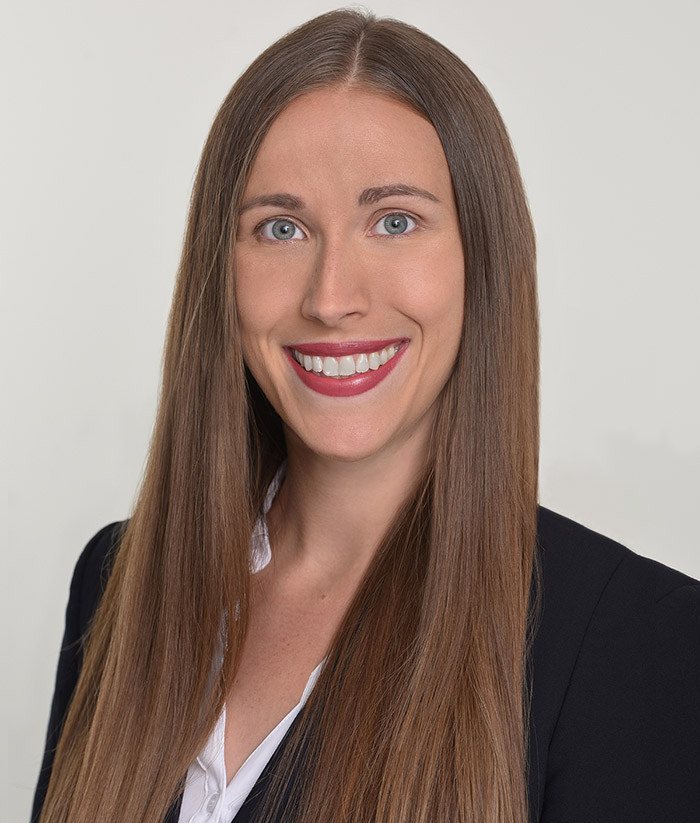
Jeanette Moffa is a Partner in the Fort Lauderdale office of Moffa, Sutton, & Donnini. She focuses her practice in Florida state and local tax. Jeanette provides SALT planning and consulting as part of her practice, addressing issues such as nexus and taxability, including exemptions, inclusions, and exclusions of transactions from the tax base. In addition, she handles tax controversy, working with state and local agencies in resolution of assessment and refund cases. She also litigates state and local tax and administrative law issues.